The U Visa for Crime Victims: Eligibility and Process
The U visa offers temporary legal status to immigrants who have suffered serious crimes in the United States, cooperated with law enforcement, and meet other specific requirements. Because annual visa numbers are capped, most applicants wait years on a formal waitlist before receiving their visa — but they can still obtain work authorization during that wait. A U visa can eventually lead to a green card.

What Is the U Visa and Who Created It?
The U nonimmigrant visa — commonly called the U visa — was created by Congress through the Victims of Trafficking and Violence Protection Act of 2000. Its purpose is straightforward: to encourage immigrant crime victims to come forward and work with police, prosecutors, and other law enforcement agencies without fear of deportation. Before this visa category existed, many victims stayed silent because cooperating with authorities meant risking their own removal from the country. The U visa changed that equation.
The U visa is administered by U.S. Citizenship and Immigration Services (USCIS). It grants temporary lawful status — typically for four years — and includes authorization to work in the United States. Importantly, it also creates a pathway to lawful permanent residence (a green card) for those who qualify and meet additional requirements.
Because Congress recognized that crimes affect more than just the direct victim, the U visa also allows certain qualifying family members to obtain derivative status. Depending on whether the principal applicant is under or over 21 years old, eligible family members can include a spouse, children, parents, and unmarried siblings under 18. This family protection element makes the U visa one of the more comprehensive humanitarian immigration options available.
Which Crimes Qualify — and What Does 'Victim' Mean?
Not every crime makes someone eligible for a U visa. USCIS maintains a list of qualifying criminal activities. These include, but are not limited to:
- Abusive sexual contact
- Domestic violence
- Extortion
- False imprisonment
- Female genital mutilation
- Felonious assault
- Kidnapping
- Murder and manslaughter
- Obstruction of justice
- Perjury
- Prostitution (when the person is forced)
- Rape and sexual assault
- Stalking
- Torture
- Trafficking
- Witness tampering
The law also covers crimes that are "similar" to the listed ones, which gives USCIS some flexibility when evaluating unusual cases. Importantly, related crimes and attempts to commit qualifying crimes can also count.
Being a victim means more than being harmed. To qualify, a person must have suffered what the law calls "substantial physical or mental abuse" as a result of the criminal activity. This does not necessarily mean permanent injury, but the harm must be real and meaningful. USCIS evaluates the nature of the injury, the severity of the perpetrator's conduct, the duration of the abuse, and the extent to which the harm affected the victim's life — including their mental health.
One important nuance: the crime does not have to have occurred in the United States for a person currently in the U.S. to apply, but the criminal activity must violate U.S. federal, state, or local law, or have occurred in U.S. territory. Most U visa petitions involve crimes that took place on U.S. soil.
Another nuance worth understanding is that the perpetrator does not need to be convicted — or even arrested — for the victim to qualify. What matters is that the crime occurred and that the victim meets the other requirements, including cooperating with the investigation or prosecution.
The Law-Enforcement Certification: Form I-918 Supplement B
Perhaps the most important — and sometimes most challenging — step in the U visa process is obtaining a law-enforcement certification. This is the document that confirms a qualifying crime occurred and that the victim has been, is being, or is likely to be helpful to law enforcement.
What is it? The certification is completed on Form I-918 Supplement B, which must be signed by a "certifying official." That official can be from a wide range of agencies, including:
- Local or state police departments
- Prosecutors' offices (district attorneys, state's attorneys)
- Federal law enforcement (FBI, Homeland Security Investigations)
- Child Protective Services
- Equal Employment Opportunity Commission (EEOC)
- Department of Labor agencies
- Judges, in certain cases
What does the official certify? The certifying official confirms that the person is a victim of a qualifying crime, that the crime violated a law of the United States or occurred in U.S. territory, and that the applicant has been, is being, or is likely to be helpful in the detection, investigation, prosecution, conviction, or sentencing related to that crime.
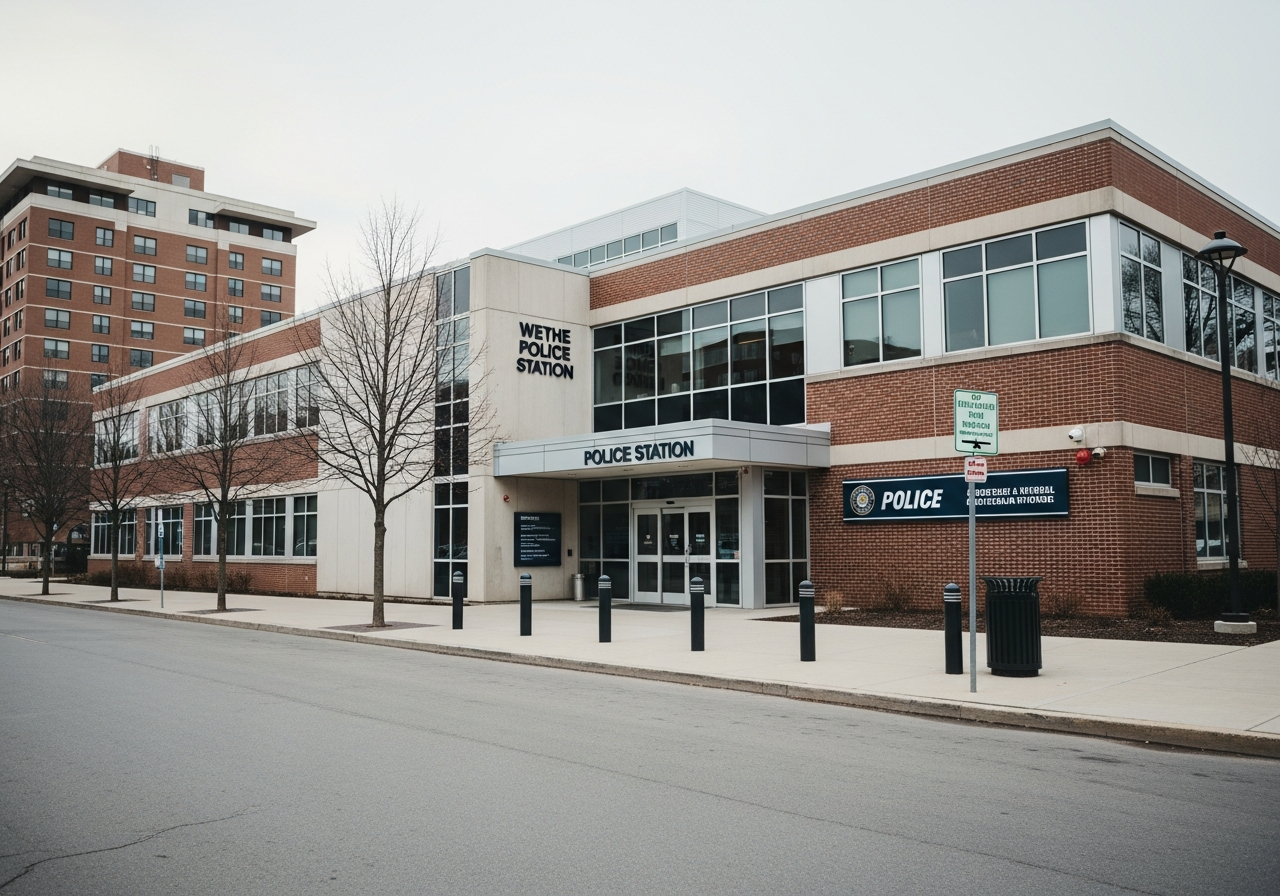
The Chicago and Illinois connection: In Cook County and across Illinois, victims can seek certifications from agencies such as the Chicago Police Department, the Cook County State's Attorney's Office, the Illinois State Police, and various federal agencies with offices in the Chicago metropolitan area. The Chicago Police Department has a process for evaluating U visa certification requests, and advocacy organizations throughout Chicago have worked to help victims navigate this step. However, certifying officials are not required by law to sign every request — the decision to certify is discretionary. If a certification is denied, victims may try another eligible agency if a different agency was also involved in investigating or prosecuting the crime.
Continuing cooperation is required. A victim must not refuse to provide reasonable assistance to law enforcement. If USCIS learns that a person stopped cooperating without good cause after their petition was filed, it can affect their case. However, a victim's choice to stop cooperating for reasons related to their own trauma or personal safety is evaluated carefully, and USCIS does consider these circumstances.
The Annual Cap, the Waitlist, and Deferred Action
One of the most significant practical realities of the U visa program is the annual numerical cap. Congress limited the number of U visas that can actually be issued each fiscal year. Because demand has consistently exceeded the cap for many years, USCIS created a formal waitlist process for principal petitioners who have been found eligible but cannot yet be issued a visa due to the limit.
How does the waitlist work? When USCIS determines that a petitioner appears eligible for a U visa but the cap has been reached for that fiscal year, it places the petitioner on the waitlist. Being placed on the waitlist is meaningful — it is an official determination that the person qualifies. While waiting, petitioners are typically granted deferred action, meaning USCIS agrees to refrain from pursuing their removal. Even more importantly, waitlisted petitioners are generally eligible to apply for employment authorization (a work permit), which allows them to work legally in the United States while they wait.
How long is the wait? The honest answer is that the wait has been very long — often running into multiple years. USCIS processes cases in the order they are received, and new petitions continue to arrive constantly. Rather than rely on any estimate, applicants and their families should check USCIS's official website for current processing time information, as this changes regularly. The USCIS website posts case processing times by form type.
Derivative family members — those who received U visa status based on their relationship to the principal petitioner — are generally not subject to the annual cap in the same way, though their cases depend on the principal petitioner's status.
During the waitlist period, it is important for petitioners to keep USCIS informed of any address changes and to maintain their cooperation with law enforcement if it is requested. Losing touch with USCIS during this period can cause complications.
From U Visa to Green Card: The Path to Permanent Residence
Receiving a U visa is not the end of the road — for many people, it is the beginning of a path toward lawful permanent residence. After holding U nonimmigrant status for a required period, eligible individuals can apply to adjust their status to that of a lawful permanent resident (green card holder).
Basic eligibility requirements for adjustment include:
- The applicant has been physically present in the United States for a continuous period as required by law
- The applicant has not unreasonably refused to provide assistance to law enforcement since being admitted as a U nonimmigrant
- The applicant's continued presence in the United States is justified on humanitarian grounds, to ensure family unity, or is otherwise in the public interest
- The applicant is not inadmissible on grounds that are not waivable, or qualifies for a waiver of inadmissibility
Waivers of inadmissibility play an important role here. Many immigrants have prior immigration violations, criminal records, or other issues that would ordinarily make them ineligible for a green card. U visa holders benefit from access to a broad waiver — often called the "U visa waiver" — that covers many grounds of inadmissibility. This waiver is available both at the initial U visa petition stage and again at the green card stage. Whether a waiver is granted depends on USCIS's discretion and a balancing of factors, so this is an area where having knowledgeable legal guidance can be especially valuable.
Adjustment versus consular processing: Most U visa holders who are already in the United States will apply to adjust their status at a USCIS office, rather than traveling abroad to a U.S. consulate. For Chicago-area applicants, the USCIS Chicago Field Office located in the metropolitan area handles adjustment of status interviews and related matters. It is worth confirming current procedures with USCIS directly, as interview requirements and local office practices can change.
Derivative family members may also be eligible to apply for permanent residence based on their relationship to the principal applicant, though the specific rules depend on the family member's category and individual circumstances.
Obtaining a green card through the U visa pathway represents a full transition from temporary, humanitarian-based protection to the long-term security of permanent residence. For many survivors of serious crimes, it marks the beginning of genuine stability after years of uncertainty.

Practical Steps for Illinois Residents Considering a U Visa
If you or someone you know may qualify for a U visa, understanding the practical steps involved can help make the process feel less overwhelming. Here is a general overview of how to approach it.
Step 1 — Identify whether the situation may qualify. Review the list of qualifying crimes and consider whether the harm suffered meets the substantial abuse standard. This is a good first question to discuss with a qualified immigration attorney, since eligibility involves both legal interpretation and the specific facts of each situation.
Step 2 — Report the crime and engage with law enforcement. Because a law-enforcement certification is required, the victim generally needs to have reported the crime to a qualifying agency. In Chicago and surrounding Illinois communities, this may mean contacting the Chicago Police Department, a suburban police department, the Cook County State's Attorney's Office, or another agency with jurisdiction. Some federal agencies — including those with offices in the greater Chicago area — can also certify.
Step 3 — Request the Supplement B certification. The certifying agency completes Form I-918 Supplement B. This step can take time and may require follow-up. Victims do not need an attorney to request a certification, but legal assistance can help ensure the request is presented clearly and completely.
Step 4 — Prepare and file Form I-918. The main U visa petition is Form I-918, filed with USCIS along with the completed Supplement B, personal statements, supporting documentation of the harm suffered, and any required waiver applications. There is no filing fee for Form I-918 itself, which removes one barrier for victims with limited resources.
Step 5 — Respond to any USCIS requests and await a decision. USCIS may issue a Request for Evidence (RFE) seeking additional documentation. Responding promptly and thoroughly is important. Once USCIS makes a decision, the applicant will either receive an approval, be placed on the waitlist, or receive a denial (which may have appeal options depending on the circumstances).
Step 6 — Apply for work authorization while on the waitlist. Waitlisted petitioners in Illinois can apply for an Employment Authorization Document (EAD) using Form I-765. This allows them to work legally and support themselves and their families during what can be a lengthy wait.
Step 7 — Eventually apply for a green card. Once the required period of U nonimmigrant status has been completed, eligible individuals can file Form I-485 (Application to Register Permanent Residence or Adjust Status).
Throughout every step, keeping organized records — including copies of everything submitted to USCIS and all correspondence received — is essential. Changes of address must be reported to USCIS promptly using Form AR-11 to ensure that all notices reach the applicant. For Illinois residents, USCIS case-specific matters may involve the Chicago Field Office or national service centers, depending on the form and stage of the case. Always verify current filing instructions on the official USCIS website before submitting any forms.
Frequently Asked Questions
The editorial team researches and writes plain-language immigration information, drawing on official government sources and reviewing each page for clarity and accuracy.
Sources & Citations
- [1]Official Government Source: USCIS — U Nonimmigrant Status (U Visa) Overview
- [2]Official Government Source: USCIS — Form I-918, Petition for U Nonimmigrant Status
- [3]Official Government Source: USCIS — U Visa Law Enforcement Certification Resource Guide
- [4]Official Government Source: USCIS — Green Card for U Nonimmigrant (Crime Victim)
- [5]Official Government Source: USCIS — Check Case Processing Times
More immigration insights
Insights


Need help with your immigration case?
Our experienced Chicago immigration attorneys offer flat-fee consultations to review your case and outline clear next steps.
Request a Consultation