Insights
Immigration Insights & Guides
Plain-language explainers on U.S. immigration — written by our editorial team and grounded in official government sources, with a Chicago perspective.
 Green Cards & Residency
Adjustment of Status vs. Consular Processing
Most people who qualify for a green card must choose between Adjustment of Status (filing inside the U.S.) and Consular Processing (applying at a U.S. embassy or consulate abroad). Adjustment keeps you in the United States throughout the process and lets Chicago-area applicants interview at the local USCIS field office. Consular Processing is usually required if you live outside the U.S. Each path has different eligibility rules, timelines, travel restrictions, and risks worth understanding before you decide.
June 29, 2026Read the article Green Cards & Residency
Advance Parole: Traveling While Your Green Card Is Pending
Advance parole is a travel document that lets certain people leave the United States and return legally while their green card application (adjustment of status) is still pending. Without it, departing the country almost always abandons your pending application — and may trigger bars to reentry. You can request advance parole on the same form you use to apply for a work permit.
June 26, 2026Read the article Family & Marriage
Affidavit of Support: Income Requirements Explained
Form I-864, Affidavit of Support, is a legally binding contract in which a U.S. citizen or lawful permanent resident sponsor promises the government that an immigrating family member will not become a public charge. The sponsor must show income at or above a percentage of the federal poverty guidelines for their household size. A joint sponsor can help if the primary sponsor falls short.
June 23, 2026Read the article Humanitarian & Protection
The Asylum Work Permit Clock: When Can You Work?
Pending asylum applicants in the U.S. must wait a set period after filing before they can apply for an Employment Authorization Document (EAD). The clock starts when USCIS receives your asylum application, but certain actions — like missing an interview or filing an incomplete application — can pause or reset it. Check USCIS.gov for current waiting-period details and form requirements.
June 20, 2026Read the article Students & Exchange
Changing Status from Visitor (B-2) to Student (F-1)
A visitor in B-2 status can apply to change to F-1 student status without leaving the United States by filing Form I-539 with USCIS before the current authorized stay expires. The process involves careful timing, school enrollment steps, and understanding a 'cap-gap' bridging period. Approval is not guaranteed, and applicants must continue following B-2 rules while the case is pending.
June 17, 2026Read the article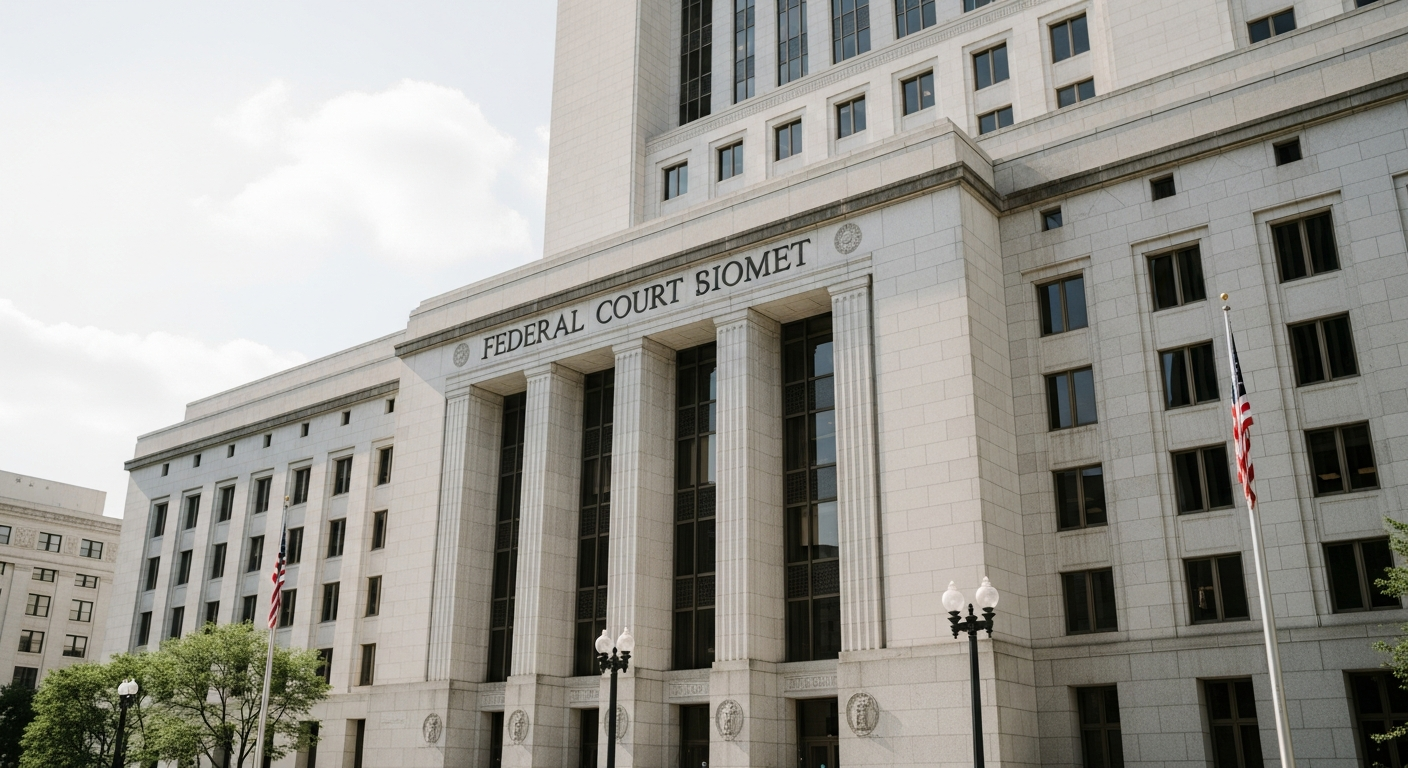 Chicago & Illinois
The Chicago Immigration Court: What to Expect
The Chicago Immigration Court handles removal cases for Illinois residents and others in the region. If you receive a Notice to Appear, you will attend master calendar and possibly individual hearings before an immigration judge. Showing up, keeping your address current, and requesting an interpreter are three steps that can protect your case from the very beginning.
June 14, 2026Read the article Green Cards & Residency
Preparing for Your Immigrant Visa Consular Interview
Your immigrant visa consular interview is the final major step before receiving a green card as an overseas applicant. Success depends on arriving with the right documents, completing the required medical exam beforehand, and answering the consular officer's questions honestly and calmly. This guide walks you through every stage — from gathering paperwork to understanding what happens after the visa is approved.
June 11, 2026Read the article Humanitarian & Protection
DACA Renewal: Timeline and Practical Tips
DACA recipients can renew their status by filing Form I-821D and Form I-765 together, ideally several months before their current period of deferred action expires. Renewal protects your work authorization and keeps you in the program. Because DACA rules can shift, staying informed through official USCIS channels and consulting a qualified immigration attorney are two of the most important steps you can take.
June 8, 2026Read the article Humanitarian & Protection
Deferred Action vs. Parole: Key Differences
Deferred action and parole are two distinct forms of relief that U.S. immigration authorities can grant. Deferred action is a promise not to deport someone for a set period; parole allows a person to enter or stay in the U.S. temporarily for urgent reasons. Neither creates a permanent immigration status, but both can open the door to work authorization.
June 5, 2026Read the article Work & Employment
EB-5 Immigrant Investor Green Card: The Basics
The EB-5 Immigrant Investor Program offers a path to a U.S. green card for foreign nationals who make a qualifying capital investment in a new commercial enterprise and create at least ten full-time jobs for U.S. workers. Investors can invest directly or through USCIS-approved Regional Centers. Approval leads to conditional permanent residence, which can later be made permanent.
June 2, 2026Read the article Students & Exchange
F-1 OPT and the STEM Extension: A Practical Guide
F-1 students can work in their field of study through Optional Practical Training (OPT) — up to 12 months, with a possible 24-month STEM extension for qualifying graduates. Success depends on understanding application timing, employment reporting rules, unemployment limits, and your Designated School Official's central role. This guide walks you through each step in plain language.
May 30, 2026Read the article Citizenship & Naturalization
Filing Form N-400 Online: A Step-by-Step Guide
You can file Form N-400, the Application for Naturalization, completely online through a USCIS online account. The process lets you fill out the form, upload supporting documents, pay the filing fee, and track every update in one place — saving time and reducing paperwork errors. This guide walks you through each step, including what Illinois residents near the Chicago Field Office should know.
May 27, 2026Read the article Citizenship & Naturalization
Good Moral Character in Naturalization Cases
Good moral character (GMC) is a legal requirement every naturalization applicant must meet during a set "statutory period" before filing Form N-400. It does not mean you must be perfect — but certain criminal convictions, tax problems, and undisclosed issues can disqualify you or delay your case. Understanding what USCIS reviews, and disclosing honestly, is the foundation of a strong application.
May 24, 2026Read the article Green Cards & Residency
Green Card Renewal: When and How to File Form I-90
Permanent residents must renew or replace their green card using Form I-90 when it expires, is lost, is damaged, or contains incorrect information. Filing on time—ideally six months before the expiration date—protects your ability to work and travel. While your case is pending, USCIS issues an official receipt that can serve as temporary proof of status.
May 21, 2026Read the article Work & Employment
The H-1B Registration and Lottery, Explained
Each spring, U.S. employers who want to sponsor a foreign-national worker in H-1B status must first complete an online registration and survive a random lottery before filing a full petition. This article walks through the electronic registration window, how the two-stage lottery works, what employers must do after selection, and the Labor Condition Application that underpins every H-1B petition.
May 18, 2026Read the article USCIS Process
How to Check Your USCIS Case Status Online
You can check your USCIS case status anytime at uscis.gov using the receipt number from your Form I-797 notice. The online tool shows real-time updates, and you can sign up for email or text alerts. Chicago-area applicants also have access to the USCIS Chicago Field Office for in-person help when the online tool isn't enough.
May 15, 2026Read the article Family & Marriage
I-130 Family Petition Processing Times, Explained
Form I-130 processing times depend on two big factors: whether your family member qualifies as an 'immediate relative' of a U.S. citizen or falls into a preference category, and — for preference categories — how long the visa line is for their country of birth. Immediate relatives generally wait only for USCIS to approve the petition; everyone else must also wait for a visa number to become available through the monthly Visa Bulletin.
May 12, 2026Read the article Chicago & Illinois
Immigrant Resources in Illinois: Where to Get Help
Illinois immigrants have access to a wide network of legitimate legal help — from recognized nonprofit legal aid organizations and accredited representatives to official state programs and USCIS resources. The key is knowing where to look and how to avoid notario fraud. This guide walks through the safest, most reliable places to get immigration help in Illinois.
May 9, 2026Read the article USCIS Process
Immigration Fee Waivers: Do You Qualify?
If paying USCIS filing fees would cause you financial hardship, you may be able to request a waiver using Form I-912. Eligibility is based on three main grounds: receiving a means-tested public benefit, having household income below 150% of the Federal Poverty Guidelines, or demonstrating financial hardship. Not every form qualifies, but many common immigration applications do.
May 6, 2026Read the article Citizenship & Naturalization
The Naturalization Civics Test: How to Prepare
The naturalization civics test is a spoken exam covering U.S. history and government. An officer asks up to 10 questions drawn from an official 100-question list, and you need to answer at least 6 correctly. Free USCIS study materials make preparation straightforward. If you miss the mark, you get one retake. Understanding the format ahead of time takes most of the surprise out of interview day.
May 3, 2026Read the article Citizenship & Naturalization
English Test Exemptions for Naturalization Applicants
Not everyone applying for U.S. citizenship must pass the English language test. If you are at least 50 years old and have lived in the United States as a permanent resident for at least 20 years — or at least 55 years old with at least 15 years of permanent residence — you may qualify for an English test exemption. Older long-term residents may also receive special consideration on the civics interview.
April 30, 2026Read the article Green Cards & Residency
The Public Charge Rule: What Applicants Should Know
The public charge rule lets USCIS and consular officers consider whether an applicant is likely to depend primarily on certain government benefits in the future. Most common benefits — including Medicaid for emergency care, CHIP, and public school programs — are not counted. Officers weigh all the facts of your life together, not any single factor alone. Many applicants who use some public benefits still qualify for a green card.
April 27, 2026Read the article Family & Marriage
Removing Conditions on a Marriage Green Card (Form I-751)
If you received a green card through marriage and your marriage was less than two years old when you were approved, your permanent residence is conditional and expires after two years. To keep your green card, you must file Form I-751, Petition to Remove Conditions on Residence, during the 90-day window before your conditional card expires. Filing on time—with strong evidence of a real marriage—is the key to becoming a full permanent resident.
April 24, 2026Read the article USCIS Process
Responding to a USCIS Request for Evidence (RFE)
A Request for Evidence (RFE) is a formal USCIS letter asking you to submit additional documents or explanations before a decision is made on your case. Receiving one does not mean your application is denied. You have a set deadline to respond — missing it can end your case. A well-organized, complete response gives you the best chance of approval.
April 21, 2026Read the article Humanitarian & Protection
Temporary Protected Status (TPS): How It Works
Temporary Protected Status (TPS) lets people from certain designated countries stay and work legally in the United States when conditions at home make safe return impossible. Eligible individuals must register during open periods, renew on time, and carry valid work authorization. Because TPS rules and deadlines change, always verify your country's current status through official Federal Register notices and USCIS.gov.
April 18, 2026Read the article Humanitarian & Protection
The U Visa for Crime Victims: Eligibility and Process
The U visa offers temporary legal status to immigrants who have suffered serious crimes in the United States, cooperated with law enforcement, and meet other specific requirements. Because annual visa numbers are capped, most applicants wait years on a formal waitlist before receiving their visa — but they can still obtain work authorization during that wait. A U visa can eventually lead to a green card.
April 15, 2026Read the article USCIS Process
Your USCIS Biometrics Appointment: What Happens
A USCIS biometrics appointment is a short visit to an Application Support Center where staff collect your fingerprints, photograph, and signature. It is required for many immigration applications and usually takes under an hour. Bring your appointment notice and a valid photo ID. Missing it can delay your case, but rescheduling is possible by contacting USCIS before the date.
April 12, 2026Read the article Humanitarian & Protection
VAWA Self-Petitions: Protection for Abuse Survivors
Under the Violence Against Women Act (VAWA), abused spouses, children, and parents of U.S. citizens or lawful permanent residents can file a confidential self-petition — without the abuser's knowledge or help — to seek immigration protection and, ultimately, lawful permanent residence. VAWA applies to survivors of any gender. Eligibility turns on the qualifying relationship, shared residence, and evidence of abuse.
April 9, 2026Read the article Chicago & Illinois
What to Bring to Your USCIS Chicago Field Office Interview
For your USCIS Chicago Field Office interview — whether for a green card or naturalization — bring your original appointment notice, a valid photo ID, your passport, all requested original documents, and certified translations of any foreign-language records. Arrive at least 30 minutes early, plan for a security screening, and know the interpreter rules before you walk through the door. Preparation is everything.
April 6, 2026Read the article Work & Employment
Work Permit (EAD) Renewal: Timing and How to File
Most EAD holders should file Form I-765 to renew their work permit about six months before it expires. Filing early may qualify you for an automatic 180-day extension while USCIS processes your renewal. The process involves gathering supporting documents, paying the required fee, and — for some categories — attending a biometrics appointment. Chicago-area applicants have a local Application Support Center to make that step convenient.
April 3, 2026Read the article