The Chicago Immigration Court: What to Expect
The Chicago Immigration Court handles removal cases for Illinois residents and others in the region. If you receive a Notice to Appear, you will attend master calendar and possibly individual hearings before an immigration judge. Showing up, keeping your address current, and requesting an interpreter are three steps that can protect your case from the very beginning.
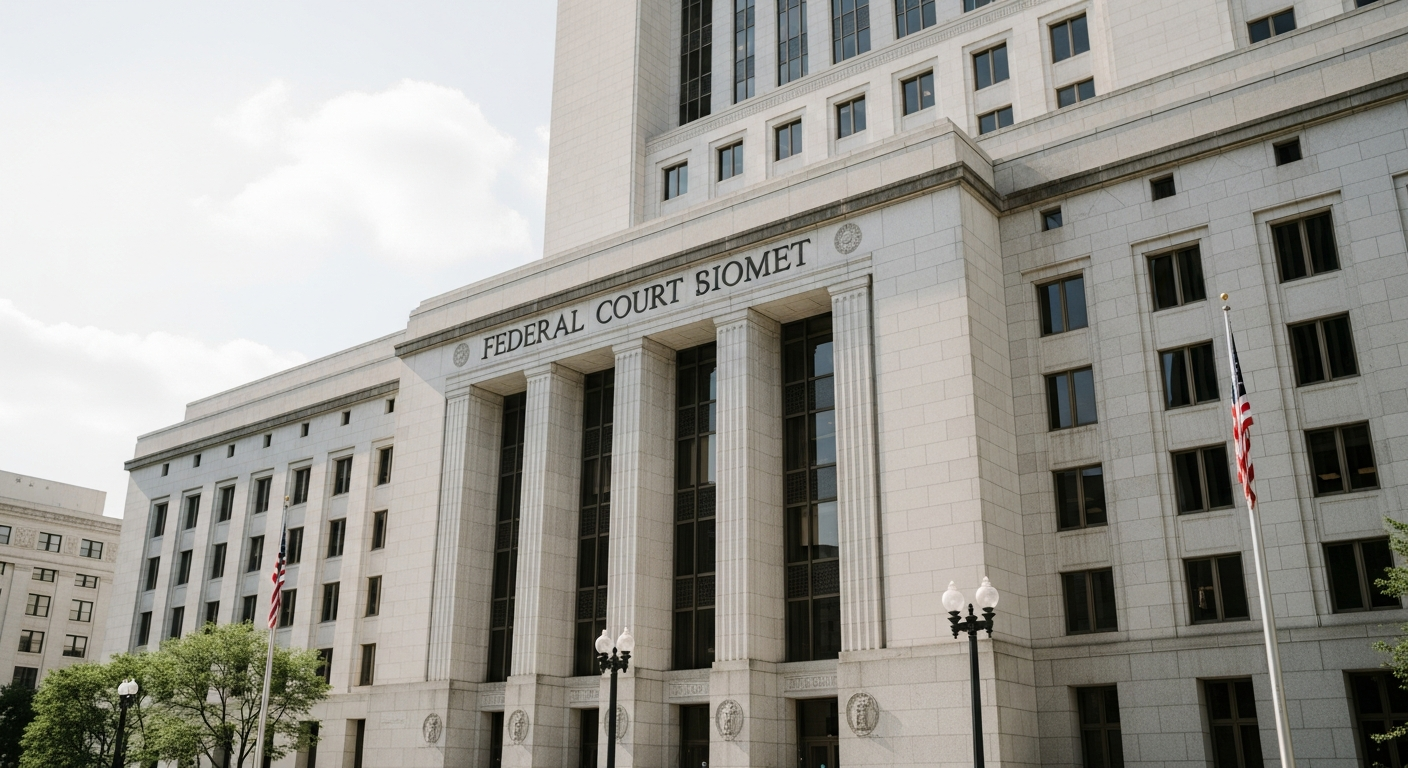
Understanding the Chicago Immigration Court
The Chicago Immigration Court is part of the Executive Office for Immigration Review (EOIR), the federal agency within the U.S. Department of Justice that oversees the nation's immigration court system. Physically located in downtown Chicago, this court serves respondents — the legal term for people who have been placed in removal proceedings — from Illinois and surrounding areas.
Immigration judges at the Chicago court are not part of USCIS. They are independent adjudicators who decide whether a person may remain in the United States or must be removed. The government's case is argued by an attorney from the Department of Homeland Security, while the respondent has the right to hire their own immigration attorney — though the government is not required to provide one for free in most cases.
Cases before the Chicago Immigration Court generally begin when the Department of Homeland Security files a Notice to Appear (NTA) with the court. The NTA is a legal document that lists the charges against you and the reasons the government believes you are removable. Receiving an NTA does not automatically mean you will be deported — it means your case will be reviewed by a judge.
You can look up your case information, including your next hearing date and court location, through the EOIR's automated case information system. Visit the EOIR website at justice.gov/eoir for details on how to access that tool. It is critical that you check your case status regularly, because hearing notices can sometimes be mailed to an outdated address or arrive with little advance notice.
The Notice to Appear: Your Case Starts Here
The Notice to Appear is the formal document that places a non-citizen into removal proceedings. Think of it as the immigration court's version of a complaint in a civil lawsuit — it identifies who you are, why the government believes you are removable, and which legal grounds apply to your situation.
The NTA will typically list:
- Your name and country of birth
- The alleged basis for removability (for example, entering without inspection, overstaying a visa, or a criminal conviction)
- A statement of your rights, including the right to an attorney and the right to appeal
- Information about your hearing, though the date and time are sometimes listed as "to be determined" and scheduled later by the court
When you receive an NTA, the clock starts ticking in ways that matter enormously. You generally have a limited number of days after receiving the NTA to inform the court of your current mailing address. Failing to do this is one of the most common — and most damaging — mistakes people make early in their cases.
If you believe you may be eligible for any form of relief — such as asylum, cancellation of removal, adjustment of status, or protection under the Convention Against Torture — an experienced immigration attorney can review the NTA and begin building a strategy as early as possible. The earlier you seek legal help, the more options are typically available to you.
Master Calendar Hearings: The First Step in Court
Most respondents in Chicago will attend a master calendar hearing before anything else happens. Think of this as a preliminary or scheduling hearing — it is usually short (sometimes only ten to fifteen minutes), but it is enormously important.
During a master calendar hearing, the immigration judge will:
- Confirm your identity and your understanding of the charges against you
- Ask whether you have an attorney or need more time to find one
- Determine what language you speak and whether you need an interpreter
- Ask you to admit or deny the factual allegations in the NTA
- Ask you to concede or contest removability
- Explore what forms of relief from removal, if any, you plan to apply for
- Set deadlines for filing documents and schedule future hearings
You may have more than one master calendar hearing before your case moves forward, especially if you are still searching for an attorney or gathering documents.
What to bring: Come with your NTA, any identity documents you have (passport, government-issued ID), and — if you already have one — your attorney's contact information. Arrive early, as the Chicago Immigration Court can be busy. Dress professionally and respectfully; first impressions matter even in immigration proceedings.
What to say: You are not required to answer questions beyond what the judge directly asks. If you do not understand a question, say so clearly. If anything is confusing, ask for clarification. Never lie to an immigration judge — misrepresentation can result in severe, long-lasting consequences for your case.
For Illinois residents who receive notices for hearings at the Chicago Immigration Court, note that the courtroom environment may feel formal and unfamiliar. The judge will be seated at an elevated bench, there will be a government attorney across from you, and proceedings are recorded. Understanding this setting in advance can help reduce anxiety on the day of your hearing.

Individual (Merits) Hearings: Presenting Your Case
If you have a claim for relief — for example, you are seeking asylum, cancellation of removal, or another form of protection — your case will eventually move to an individual hearing, sometimes called a merits hearing or a full hearing. This is the main event: the hearing where evidence is presented, witnesses testify, and the immigration judge makes a decision about whether you may stay in the United States.
Individual hearings before the Chicago Immigration Court are typically much longer than master calendar hearings and can last anywhere from a few hours to an entire day, depending on the complexity of the case.
What happens during an individual hearing:
- Opening statements: Both you (or your attorney) and the DHS attorney may give brief opening statements.
- Direct examination: Your attorney will ask you questions about your background, your claim for relief, and the evidence supporting your case.
- Cross-examination: The DHS attorney will have the opportunity to question you and any witnesses you bring.
- Evidence review: Documents such as country condition reports, medical records, police reports, affidavits, or expert testimony may be introduced and discussed.
- Closing arguments: Both sides summarize why the judge should rule in their favor.
- The judge's decision: In some cases, the judge issues a decision from the bench the same day. In others, the judge takes the case under advisement and issues a written decision later.
If the judge rules against you, you generally have the right to appeal to the Board of Immigration Appeals (BIA). If the BIA rules against you, further appeals to the federal circuit courts may be available. An attorney can advise you on whether an appeal makes sense given your specific circumstances.
Preparing for an individual hearing requires significant time and effort. You and your attorney will need to gather and organize evidence, prepare you for testimony, identify and prepare any witnesses, and anticipate the government's arguments. Starting this preparation early — ideally months before the hearing date — gives you the strongest possible foundation.
Why Attending Every Hearing Is Non-Negotiable
One of the most important things to understand about the Chicago Immigration Court — or any U.S. immigration court — is that you must appear at every single hearing. Missing a hearing, even for a seemingly valid reason, can have swift and severe consequences.
If you fail to appear at a scheduled master calendar or individual hearing without prior permission from the court, the immigration judge has the authority to issue an order of removal in absentia — meaning the judge can order you removed from the United States without you being there to present your case. In absentia orders are extremely difficult to reopen and can bar you from certain forms of relief for years.
Here is what you should do to protect yourself:
- Keep your hearing date and time in a safe place. Write it down, save it in your phone, and tell a trusted person in your life.
- Check your case status regularly through the EOIR case information system at justice.gov/eoir. Hearing dates can change, and a notice sent to an old address may not reach you in time.
- Contact the court or your attorney immediately if you believe a scheduling conflict or emergency may prevent you from attending. There are procedures to request a continuance (a postponement), but they must be done in advance and approved by the judge.
- Plan for travel delays. The Chicago Immigration Court is located in the downtown area; parking, public transit delays, and weather are real factors in Chicago. Build in extra time on hearing days.
For respondents who are detained — held in immigration detention — your hearings may take place in person at a detention facility or by video teleconference. The Chicago area has facilities that handle detained cases, and those hearings follow the same general structure described above.

Keeping Your Address Current and Requesting an Interpreter
Updating Your Address
Immigration courts communicate with respondents almost entirely by mail. If you move and do not update your address, you may miss critical hearing notices — and if you miss a hearing because a notice was sent to an old address, the court may still issue an in absentia removal order against you. The law places the responsibility on you to keep your address current.
You are required to provide the immigration court with a working address within a specific number of days of receiving your NTA, and you must update the court whenever you move. This is done by filing a Form EOIR-33, the Change of Address form, directly with the Chicago Immigration Court. You must also serve a copy on the DHS attorney. The form and instructions are available at justice.gov/eoir.
Important notes about your address requirement:
- You must update the address with the court separately from any address updates you make with USCIS. They are different agencies and do not automatically share address updates with each other.
- If you move to a different state, your case may or may not transfer to a different immigration court. Do not assume it transfers automatically — ask your attorney or contact the court directly.
- Even if you do not have a stable home address, you may use the address of a trusted person (such as a family member or community organization) as your mailing address, as long as mail can reliably reach you there.
Requesting an Interpreter
If English is not your primary language, you have the right to an interpreter in immigration court proceedings. The Chicago Immigration Court provides interpreters at no cost to respondents for court hearings. However, you need to let the court know what language you need, and you should do this as early as possible — ideally at your first master calendar hearing or even when submitting preliminary paperwork.
Here is what to know about interpreters:
- The court-provided interpreter is for the hearing itself. If you need help understanding documents outside of a hearing, you will generally need to arrange your own translation.
- Bring any relevant language information (for example, if you speak a regional dialect rather than the official national language of your home country) to the court's attention early. Some languages require advance planning to find a qualified interpreter.
- Your attorney may also bring their own interpreter to attorney-client meetings, but the court's interpreter handles the courtroom proceedings.
- Do not rely on a family member or friend to interpret for you in the courtroom. Court proceedings require certified, neutral interpretation, and using an unqualified interpreter can create serious problems with the record of your case.
For Illinois residents navigating the Chicago Immigration Court system for the first time, community organizations throughout the Chicago metro area offer Know Your Rights presentations and limited legal assistance that can help you understand these procedural requirements. While this article cannot recommend specific organizations, your local library, community center, or a call to a qualified immigration attorney can point you toward resources in your area.
Staying organized, attending every hearing, updating your address promptly, and communicating your language needs clearly are foundational steps that protect your rights and give your case the best possible start.
Frequently Asked Questions
The editorial team researches and writes plain-language immigration information, drawing on official government sources and reviewing each page for clarity and accuracy.
Sources & Citations
- [1]Official Government Source: Executive Office for Immigration Review (EOIR) — Immigration Court Information
- [2]Official Government Source: EOIR Form EOIR-33 — Change of Address
- [3]Official Government Source: DHS — Overview of Removal Proceedings
- [4]Official Government Source: USCIS — Notices to Appear
More immigration insights
Insights


Need help with your immigration case?
Our experienced Chicago immigration attorneys offer flat-fee consultations to review your case and outline clear next steps.
Request a Consultation