What to Bring to Your USCIS Chicago Field Office Interview
For your USCIS Chicago Field Office interview — whether for a green card or naturalization — bring your original appointment notice, a valid photo ID, your passport, all requested original documents, and certified translations of any foreign-language records. Arrive at least 30 minutes early, plan for a security screening, and know the interpreter rules before you walk through the door. Preparation is everything.
Why Your Interview Preparation Matters So Much
Getting an interview notice from the USCIS Chicago Field Office is a major milestone. It means your application has cleared an initial review, and a USCIS officer is ready to sit down with you to verify your eligibility. Whether you are applying for lawful permanent residence (a green card) through adjustment of status, or you are taking the final step toward U.S. citizenship through naturalization, the interview is one of the most important appointments of your immigration journey.
The good news is that the interview is not designed to trick you. Officers are following a structured process, and the biggest reason interviews run into problems is simple: missing documents. When an officer cannot verify a piece of information because the supporting record is not in front of them, they may have to send you a Request for Evidence, schedule a second interview, or in some cases deny the application. All of that causes delays and stress that are largely avoidable.
This guide is designed for people who have received an interview notice from the Chicago Field Office, located in Chicago, Illinois. Illinois residents make up a large share of the Midwest's immigration caseload, and the Chicago office handles a wide variety of case types. The specific documents you need will depend on your case, but the general framework below applies to most adjustment and naturalization interviews. Always read your appointment notice carefully — it is the official word on what USCIS expects you to bring.
The Core Documents Everyone Should Bring
No matter what type of interview you have, certain documents are expected at every USCIS Chicago Field Office appointment. Think of these as your baseline checklist.
Your Appointment Notice Bring the original notice you received in the mail (Form I-797, Notice of Action, or the interview notice letter). The officer and security staff will want to see it. Do not rely on a phone screenshot — print a physical copy.
Valid Government-Issued Photo ID You need a current, unexpired photo ID. Acceptable options typically include:
- A valid passport from your home country (or your U.S. passport if you have one)
- A state-issued driver's license or ID card (an Illinois REAL ID-compliant card works well)
- A permanent resident card if you already have one and are interviewing for a different benefit
Your Passport Your passport deserves its own line because it does double duty: it is both identification and a travel history record. Bring every passport you have held — current and expired — so the officer can review your full travel record and any visa stamps. If pages are falling out or the document is damaged, bring it anyway and explain the condition.
All Previously Filed Application Forms and Fee Receipts Bring a clean copy of the application you filed (for example, Form I-485 for adjustment of status, or Form N-400 for naturalization) along with any receipt notices. USCIS has your file, but having your own copy lets you follow along and answer questions accurately.
Your Alien Registration Number (A-Number) Documentation If you have an A-Number, bring any documents that display it, such as your Employment Authorization Document, prior green card, or prior visa approvals. This helps the officer quickly locate your file in their system.

Adjustment of Status (Green Card) Interview: What to Add to Your Checklist
If you are attending an adjustment of status interview under Form I-485, the officer will be verifying your identity, your relationship to your petitioner (if family-based), your admissibility, and your continuous eligibility for the benefit. The documents below are generally expected in addition to the core list above.
Civil Documents — Bring Originals and Copies This is the area where people most often arrive unprepared. You need original documents, not photocopies, for the officer to review. Plan to also bring photocopies for the officer to keep in your file.
Original civil documents typically include:
- Birth certificate (yours, and your spouse's or child's if the petition is family-based)
- Marriage certificate (if married)
- Divorce decrees or death certificates from any prior marriages — for both you and your petitioning spouse
- Police clearance certificates or court records, if requested
- Military records, if applicable
Certified Translations Any document that is not in English must come with a certified translation. The translation must include a statement from the translator certifying that they are competent in both languages and that the translation is accurate and complete. This is a USCIS requirement. An uncertified Google Translate printout is not acceptable.
Proof of Relationship (Family-Based Cases) If a family member petitioned for you, bring evidence that your relationship is real and ongoing. For a spousal case, officers typically look for:
- Joint bank account statements or tax returns showing a shared financial life
- Lease agreements or mortgage documents with both names
- Photos of you together over the years (printed, not just on your phone)
- Correspondence, travel together, insurance policies — anything that documents a genuine life together
Medical Examination Results If your Form I-693 (Report of Medical Examination) was not submitted with your initial application, or if the sealed envelope was submitted but USCIS asks you to bring an updated one, follow the instructions on your notice exactly. Medical examination results can expire, so check the USCIS guidelines at uscis.gov to confirm your exam is still valid.
Employment Authorization and Advance Parole Documents If you received a combo card or separate EAD and Advance Parole while your I-485 was pending, bring those documents. The officer may want to verify your authorized periods of stay.
Naturalization (N-400) Interview: What to Add to Your Checklist
The naturalization interview is both an English language test and a civics test, and the officer will also review your background and verify the information on your Form N-400. Illinois residents applying at the Chicago Field Office should bring the following in addition to the core documents.
Your Permanent Resident Card (Green Card) Bring your current green card and any expired green cards you hold. The officer needs to verify your lawful permanent residence status and your continuous residence period.
Your Original Passport(s) As with adjustment interviews, bring all passports — current and expired. The officer will review your international travel history against what you reported on the N-400. Discrepancies can raise questions, so be ready to explain any travel you may have forgotten to list.
Tax Returns and Tax Transcripts Most naturalization applicants must demonstrate good moral character, and the officer may ask about your tax filing history. Bring copies of your federal tax returns for the past several years (the exact number corresponds to the statutory period relevant to your case — check your N-400 instructions). If you filed jointly with a spouse, bring those joint returns.
Selective Service Registration Male applicants who were required to register with the Selective Service and did so should bring proof of registration. If you were exempt or believe an exemption applied to you, be prepared to explain.
Additional Civil Records Bring documentation related to anything you disclosed on the N-400, including:
- Arrest records or court dispositions (even for minor matters, even if charges were dismissed)
- Proof of any name changes
- Documentation of any prior claims to U.S. citizenship or prior applications for naturalization
- Marriage, divorce, or death certificates relevant to your current marital status
Study for the Civics and English Tests While not a physical document, preparation for the 100 civics questions and the English reading and writing portions of the naturalization interview is essential. USCIS provides official study materials on its website. Illinois residents who qualify for an age- and residence-based exception to the English requirement should bring documentation confirming that eligibility (such as a letter from a physician if a disability accommodation is requested).
Arriving at the Chicago Field Office: Security, Interpreters, and Timing
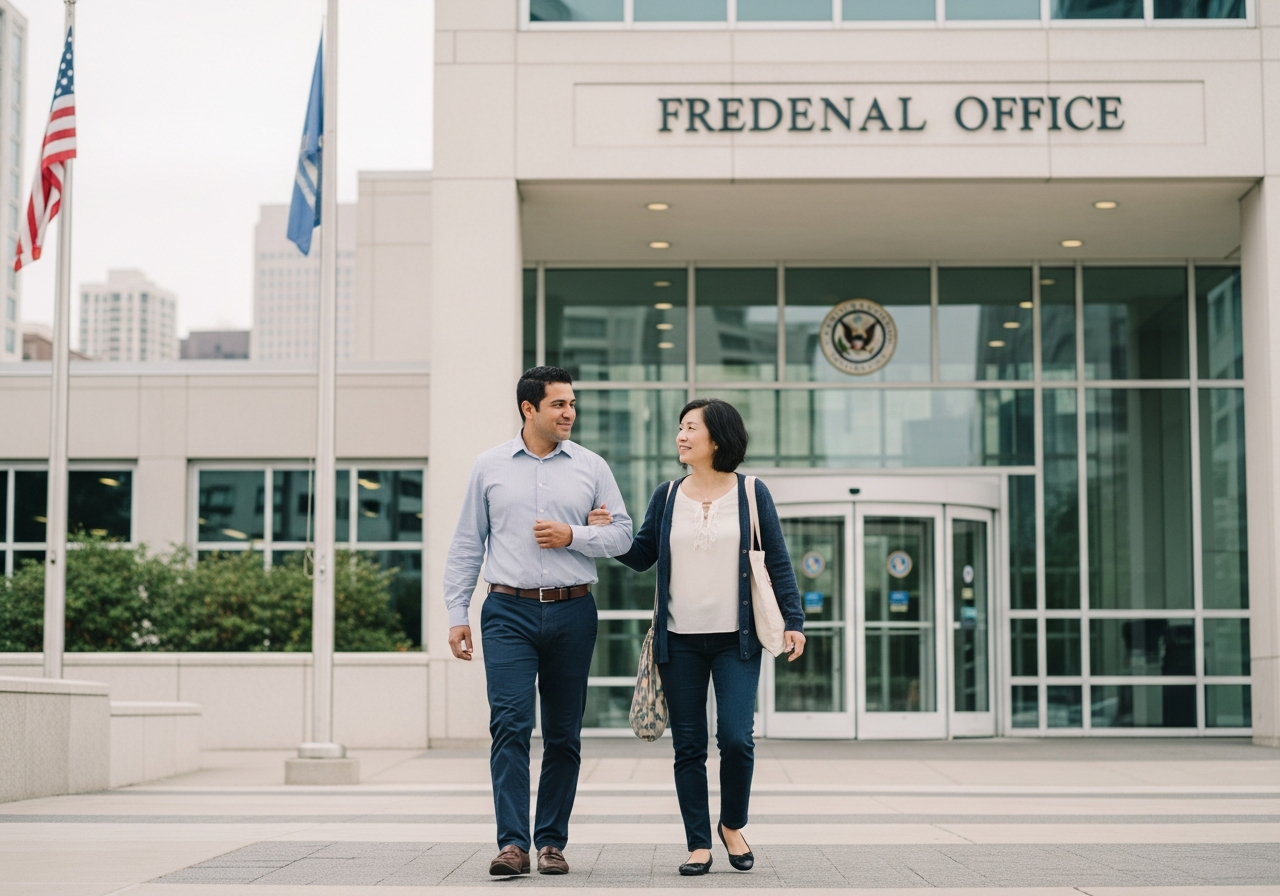
Plan to Arrive Early The USCIS Chicago Field Office serves one of the busiest immigration populations in the Midwest. Security lines can be long, especially in the morning. A good rule of thumb is to arrive at least 30 minutes before your scheduled appointment time. Arriving late can result in your interview being rescheduled, which adds weeks or months to your wait. If an emergency is going to make you late, call USCIS as soon as possible.
Security Screening Like all federal government buildings, the Chicago Field Office uses a security screening process similar to what you find at an airport. Plan for this:
- Leave large bags, luggage, or rolling carts at home if possible. Bring a single organized folder or binder.
- Remove electronics from your bag — phones and laptops will go through the X-ray machine.
- Wear shoes that are easy to remove if asked.
- Do not bring weapons of any kind, including pocket knives or multitools.
- Be polite and patient with security officers. They are not part of the USCIS adjudication process.
Who Can Come With You Generally, you may bring your attorney or accredited representative into the interview room. A petitioning spouse or family member may also be asked to attend certain adjustment interviews. Check your appointment notice for specific instructions. In most cases, friends, other family members, or support persons who are not your legal representative will wait in the lobby.
Interpreter Rules USCIS does not provide interpreters for field office interviews. If you need one, you must bring your own. However, there are strict rules:
- Your interpreter must be fluent in both English and your language.
- Your interpreter cannot be your attorney or accredited representative (they are there in a different role).
- Your interpreter cannot be a child.
- Your interpreter will also go through security screening and must provide identification.
- Both you and your interpreter will be asked to take an oath before the interview begins.
If you are not confident in your English proficiency, bring a qualified adult interpreter. Miscommunication during an interview can lead to misunderstandings that affect your case.
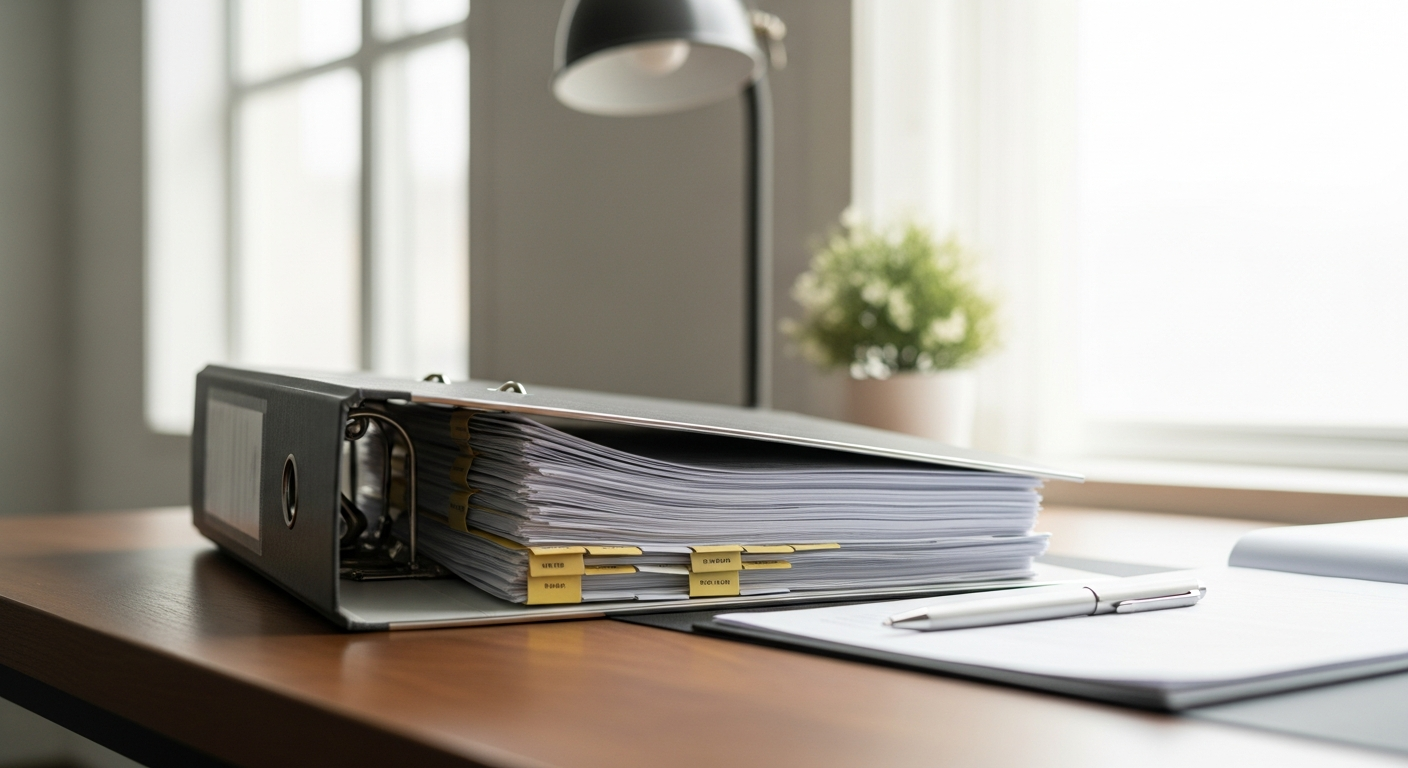
Organize Your Documents Before You Go Bring your documents in a clearly organized binder or folder, with tabs or dividers. Group originals separately from copies so you can hand each to the officer quickly. Fumbling through a disorganized bag wastes interview time and can make you appear unprepared. Label each section (e.g., "Identification," "Civil Documents," "Financial Evidence") so you can find what you need instantly when the officer asks.
After the Interview: What Happens Next
The officer will typically let you know at the end of the interview whether a decision was made that day or whether your case needs additional review. There are three general outcomes:
Approved at the Interview For naturalization interviews, an approval often means you will be scheduled for an oath ceremony, which may take place at a federal courthouse in the Chicago area or at another USCIS-designated location. For adjustment cases, an approval usually means your green card will arrive in the mail within a few weeks.
Continued or Held in Abeyance Sometimes the officer needs to conduct additional background checks or is waiting for a document. This does not mean you were denied. Follow any instructions you are given, and respond to any follow-up requests promptly.
Issued a Request for Evidence or Notice of Intent to Deny If USCIS needs more information, they will mail a Request for Evidence (RFE) or, in more serious situations, a Notice of Intent to Deny (NOID). Respond before the deadline with all requested materials. If you receive one of these, consider consulting with a qualified immigration attorney.
Check Your Case Status Online USCIS offers an online case status tool at uscis.gov where you can track your application using your receipt number. Illinois residents can also create a USCIS online account to receive real-time updates and manage correspondence electronically. If you have not received any update within the timeframe indicated on your interview notice, you may be able to submit an inquiry through the USCIS website or by calling the USCIS Contact Center.
Keep Copies of Everything Make copies of every document you bring to your interview and keep them in a safe place at home. If USCIS retains any originals, note which documents were kept. This record will be valuable if you ever need to reference your case history.
A little advance preparation goes a long way. Applicants who arrive organized, on time, and with complete documentation give their cases the best possible start at the Chicago Field Office.
Frequently Asked Questions
The editorial team researches and writes plain-language immigration information, drawing on official government sources and reviewing each page for clarity and accuracy.
Sources & Citations
- [1]Official Government Source: USCIS Chicago Field Office Information
- [2]Official Government Source: USCIS Adjustment of Status (Form I-485)
- [3]Official Government Source: USCIS Naturalization (Form N-400) and Interview Overview
- [4]Official Government Source: USCIS Guidance on Bringing an Interpreter to Your Interview
- [5]Official Government Source: USCIS Case Status Online Tool
More immigration insights
Insights


Need help with your immigration case?
Our experienced Chicago immigration attorneys offer flat-fee consultations to review your case and outline clear next steps.
Request a Consultation