How to Check Your USCIS Case Status Online
You can check your USCIS case status anytime at uscis.gov using the receipt number from your Form I-797 notice. The online tool shows real-time updates, and you can sign up for email or text alerts. Chicago-area applicants also have access to the USCIS Chicago Field Office for in-person help when the online tool isn't enough.

Start Here: What You Need Before You Check
Before you can check your case status, you need one key piece of information: your receipt number. USCIS sends this number on a Form I-797, Notice of Action, after it receives your application or petition. Without it, the online tool cannot find your case.
What does a receipt number look like?
A receipt number is a 13-character code. It starts with three letters that identify the USCIS service center or office that received your filing — for example, "EAC" for the Vermont Service Center or "MSC" for the National Benefits Center. After the letters come ten digits.
Here are a few things to keep in mind:
- Check your mail carefully. The I-797 is a paper notice mailed to the address you listed on your application. If you used a representative, it may have gone to their address.
- Guard this number. Your receipt number is tied to your personal case. Only share it with people you trust, such as your attorney.
- Lost your notice? If you never received an I-797, first confirm that USCIS cashed your check or processed your credit card payment — that is a strong sign the filing was received. You can also create a USCIS online account and link existing cases to it, which may help you track down your receipt information.
Once you have your receipt number in hand, you are ready to use the online case status tool.
Using the USCIS Online Case Status Tool
USCIS offers a free, publicly accessible case status tool at uscis.gov/casestatus. You do not need an account to use it, although creating one gives you extra features described below.
How to check your status in three steps:
- Go to uscis.gov/casestatus.
- Type your receipt number into the search box exactly as it appears on your I-797 — no spaces or dashes.
- Click "Check Status" and read the result.
The page will display a short status message and a brief explanation. The information is updated as USCIS processes your case, though updates do not happen in real time throughout the day — they typically refresh overnight.
What if the tool says it cannot find your case?
This can happen for a few reasons:
- You may have entered the receipt number incorrectly. Double-check every character.
- Your case may be very new. It can take a few weeks after USCIS receives a filing before the case appears in the system.
- Older cases filed on paper and never migrated to the electronic system may not appear. In those situations, calling the USCIS Contact Center or visiting a field office is your next step.
Creating a USCIS online account
USCIS now offers an online account at myaccount.uscis.gov. With an account you can:
- Link existing paper-filed cases to your profile
- File certain forms online and track them in one place
- Respond to Requests for Evidence (RFEs) electronically for eligible case types
- Manage your profile and update your address
Creating an account is free and voluntary for most case types, but USCIS is gradually making online filing mandatory for certain petition types, so it is a good idea to set one up early.

Setting Up Case Status Alerts
Checking the case status tool every day can feel exhausting — especially when a case is pending for many months. USCIS offers a simple way to get notified automatically: case status email and text alerts.
How to sign up:
Visit uscis.gov/casestatus, enter your receipt number, and look for the option to sign up for alerts on that same results page. You can enter an email address, a mobile phone number for text messages, or both.
Once enrolled, USCIS will send you a notification whenever your case status changes. You still need to log in to the website or your USCIS account to read the full update — the alert only tells you that something changed, not what the specific new status is. But that nudge can save you from obsessively refreshing the page.
Tips for getting the most out of alerts:
- Use an email address you check regularly. USCIS alerts can sometimes land in spam folders, so whitelist the USCIS sender address.
- If you have multiple cases pending — for example, an I-130 and a related I-485 — sign up for alerts on each receipt number separately.
- Make sure your contact information stays current. If you change your phone number or email, update your alert preferences.
What if you stop receiving alerts?
Alerts are sent when the status changes. If nothing is happening on your case, you will not receive messages. A period of silence does not necessarily mean something is wrong — many immigration applications remain in a "pending" or "case received" status for extended periods while adjudication is underway.
Understanding Common Case Statuses
The status messages USCIS posts can be confusing. Here is a plain-language guide to the ones applicants see most often.
| Status | What It Generally Means |
|---|---|
| Case Was Received | USCIS has your application and it is in the queue. No action is needed from you yet. |
| Fingerprint Fee Was Received / Biometrics Appointment Was Scheduled | USCIS is scheduling you for a biometrics appointment at an Application Support Center (ASC). Watch the mail for your appointment notice. |
| Request for Evidence Was Sent | USCIS needs more documentation before it can decide your case. Read the RFE very carefully and respond by the deadline. |
| Case Was Approved | Your application was granted. Another notice will follow — for example, a green card or Employment Authorization Document (EAD) in the mail. |
| Case Was Denied | USCIS did not approve your application. The denial notice will explain the reasons and whether you have appeal rights. |
| Card Was Mailed to Me | Your physical card (green card, EAD, etc.) is on the way via USPS. Allow extra days for delivery. |
| Case Was Transferred and a New Office Has Jurisdiction | Your file moved from one USCIS office to another. Your receipt number stays the same. |
| Case Is Being Actively Reviewed | An officer is working on your case. This is a normal step and does not mean there is a problem. |
A word on processing times
USCIS publishes estimated processing times for each form type and office at uscis.gov/processingtimes. These are ranges based on recent historical data, not guarantees. If your case has been pending significantly longer than the published estimate, you may be eligible to submit a case inquiry — more on that in the next section.
Requests for Evidence (RFEs)
Receiving an RFE can feel alarming, but it is common and does not mean your application will be denied. It means an officer has a specific question or needs more proof. Read every line of the RFE, note the response deadline printed on the notice, and gather the evidence requested. Responding thoroughly and on time is critical.

Chicago-Area Resources: The Field Office, ASCs, and Case Inquiries
For applicants living in the Chicago metropolitan area and across Illinois, USCIS provides in-person resources beyond the online tool.
The USCIS Chicago Field Office
The USCIS Chicago Field Office serves applicants in northern Illinois and handles interviews for certain adjustment of status applications, naturalization ceremonies, and other matters requiring in-person appearances. The office is located in Chicago and schedules appointments through the USCIS Contact Center — walk-in service is generally not available.
If your case has been pending well beyond the published processing time, or if you have a pressing situation such as an expiring document, you may be able to request an InfoPass-style appointment (now called an "Infopass appointment" informally, though the old InfoPass scheduling system has been replaced). Today, appointments at field offices are arranged by:
- Calling the USCIS Contact Center at 1-800-375-5283. Representatives can check your case, answer general questions, and in appropriate situations escalate your inquiry or schedule an in-person appointment at the Chicago Field Office.
- Submitting an e-Request (Case Inquiry) online at uscis.gov/e-request. This is an online form you can submit if your case is outside normal processing times and you have not received a decision or an explanation. USCIS will respond in writing.
- Using the Emma virtual assistant on uscis.gov for basic questions and navigation help.
Application Support Centers (ASCs) in the Chicago area
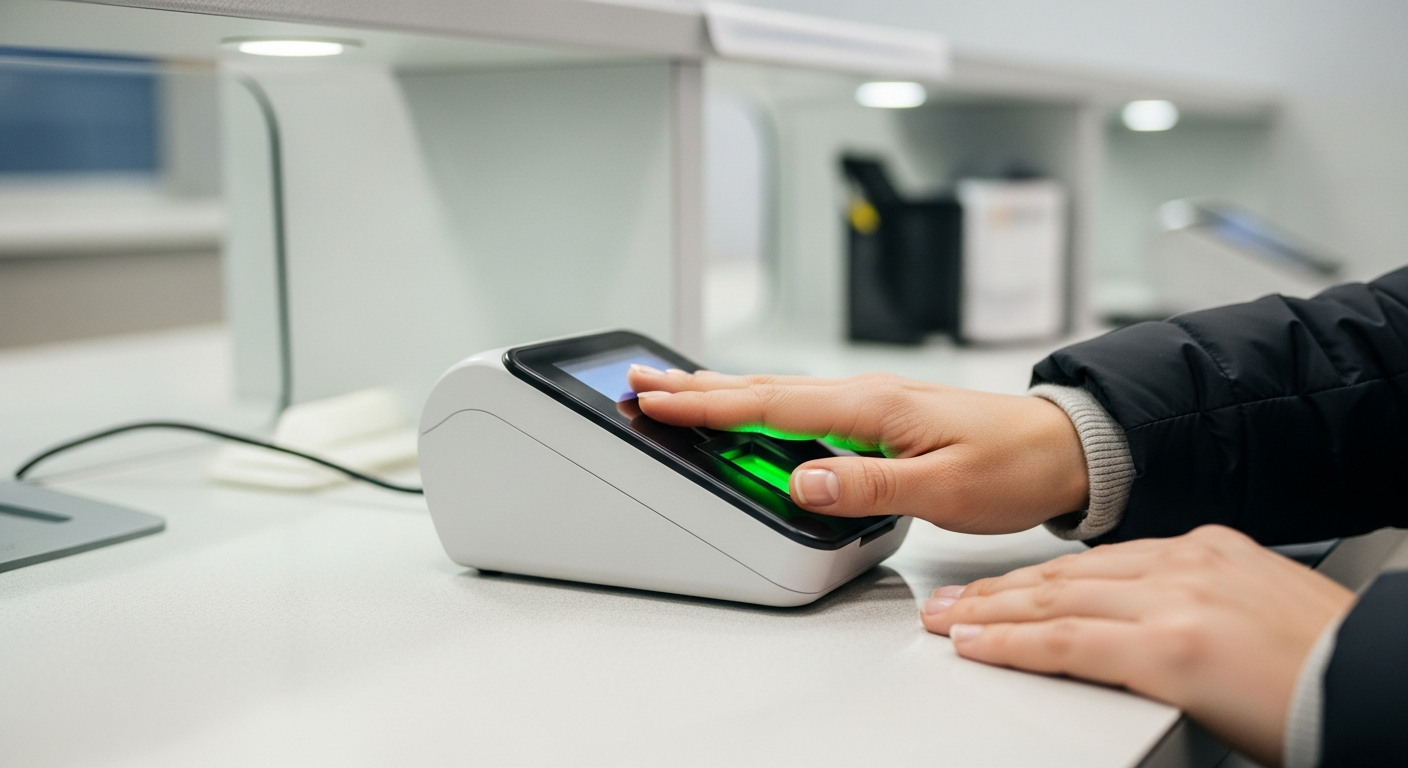
For biometrics appointments — where USCIS collects fingerprints, photographs, and signatures — Illinois applicants are typically assigned to one of the ASC locations in the region. You will receive a mailed appointment notice telling you exactly which ASC to visit and when. Do not go to the ASC without your appointment notice; bring it along with a valid photo ID.
Illinois-specific considerations
Illinois law provides certain protections and benefits for immigrants at the state level — such as access to state-funded programs regardless of immigration status in some circumstances. While these are separate from federal USCIS processes, Illinois applicants should be aware that state agencies like the Illinois Department of Human Services can sometimes connect newcomers with resources while federal cases are pending. For state-level information, visit illinois.gov.
When should you reach out to USCIS directly?
Not every long wait requires a call or inquiry. In general, consider contacting USCIS if:
- Your case has been pending longer than the current processing time shown on uscis.gov/processingtimes for your specific form and office
- You received a card that never arrived by mail
- You have an interview scheduled but have not received a notice
- You have an urgent situation such as travel, an expiring status, or a job start date tied to a pending EAD
Being organized before you call — having your receipt number, your A-Number (if you have one), and a summary of your case history — will help the USCIS representative assist you more efficiently.
Keeping Your Case on Track: Practical Tips
Monitoring your case is only one part of staying on top of your immigration journey. Here are practical habits that help applicants in Chicago and across the country avoid unnecessary delays and surprises.
Update your address promptly
If you move, notify USCIS right away. Most applicants must file Form AR-11 (Alien's Change of Address Card) within 10 days of moving. You can do this online at uscis.gov/ar-11. If USCIS mails a notice — an RFE, a biometrics appointment, an interview notice — to an old address and you miss it, your case could be denied for abandonment. Updating your address in your USCIS online account does not automatically update your AR-11 filing; you must do both.
Keep copies of everything
Maintain a dedicated folder — physical, digital, or both — with:
- Copies of every form you submitted
- All I-797 receipt and approval notices
- Proof of payment
- Any correspondence with USCIS
If USCIS ever claims it did not receive a document or questions a previous filing, your records are your best defense.
Watch for mail every day
USCIS still sends many critical notices by regular U.S. mail. A missed biometrics appointment or an unanswered RFE can result in a denial. Consider using USPS Informed Delivery (a free USPS service) so you can preview incoming mail images online each morning — this gives you an early heads-up if a USCIS envelope is on its way.
Know what you can and cannot do while waiting
Depending on your current immigration status and the benefit you applied for, there may be rules about traveling outside the United States or changing jobs while your case is pending. Traveling without proper advance parole, for example, can have serious consequences for certain applicants. Always understand the conditions of your current status and any pending applications before making major decisions. This is a situation where speaking with a qualified immigration attorney is strongly advisable.
Check processing times periodically
USCIS updates its processing time estimates regularly at uscis.gov/processingtimes. Estimates can shift up or down based on application volume and staffing. Checking occasionally — rather than daily — gives you a realistic picture of whether your wait is normal.
Beware of notarios and unauthorized practitioners
Unlicensed individuals who charge fees to help with immigration paperwork — sometimes called notarios — can cause serious harm. They cannot legally provide immigration legal advice, and errors in your application can lead to delays, denials, or worse. If you need guidance beyond what official USCIS resources provide, seek help from a licensed immigration attorney or an accredited representative at a Board of Immigration Appeals (BIA)-recognized organization. The Executive Office for Immigration Review (EOIR) maintains a list of free and low-cost legal service providers at justice.gov/eoir/list-pro-bono-attorneys.
Staying informed, organized, and proactive is the best thing you can do while your case works through the system. The USCIS online tools are genuinely helpful — and for Chicago-area applicants, local resources are available when you need a human touch.
Frequently Asked Questions
The editorial team researches and writes plain-language immigration information, drawing on official government sources and reviewing each page for clarity and accuracy.
Sources & Citations
- [1]Official Government Source: USCIS Case Status Online Tool
- [2]Official Government Source: USCIS Processing Times
- [3]Official Government Source: Form AR-11 – Change of Address
- [4]Official Government Source: EOIR List of Pro Bono Legal Service Providers
More immigration insights
Insights

Need help with your immigration case?
Our experienced Chicago immigration attorneys offer flat-fee consultations to review your case and outline clear next steps.
Request a Consultation