Your USCIS Biometrics Appointment: What Happens
A USCIS biometrics appointment is a short visit to an Application Support Center where staff collect your fingerprints, photograph, and signature. It is required for many immigration applications and usually takes under an hour. Bring your appointment notice and a valid photo ID. Missing it can delay your case, but rescheduling is possible by contacting USCIS before the date.
What Is a Biometrics Appointment — and Why Does USCIS Need One?
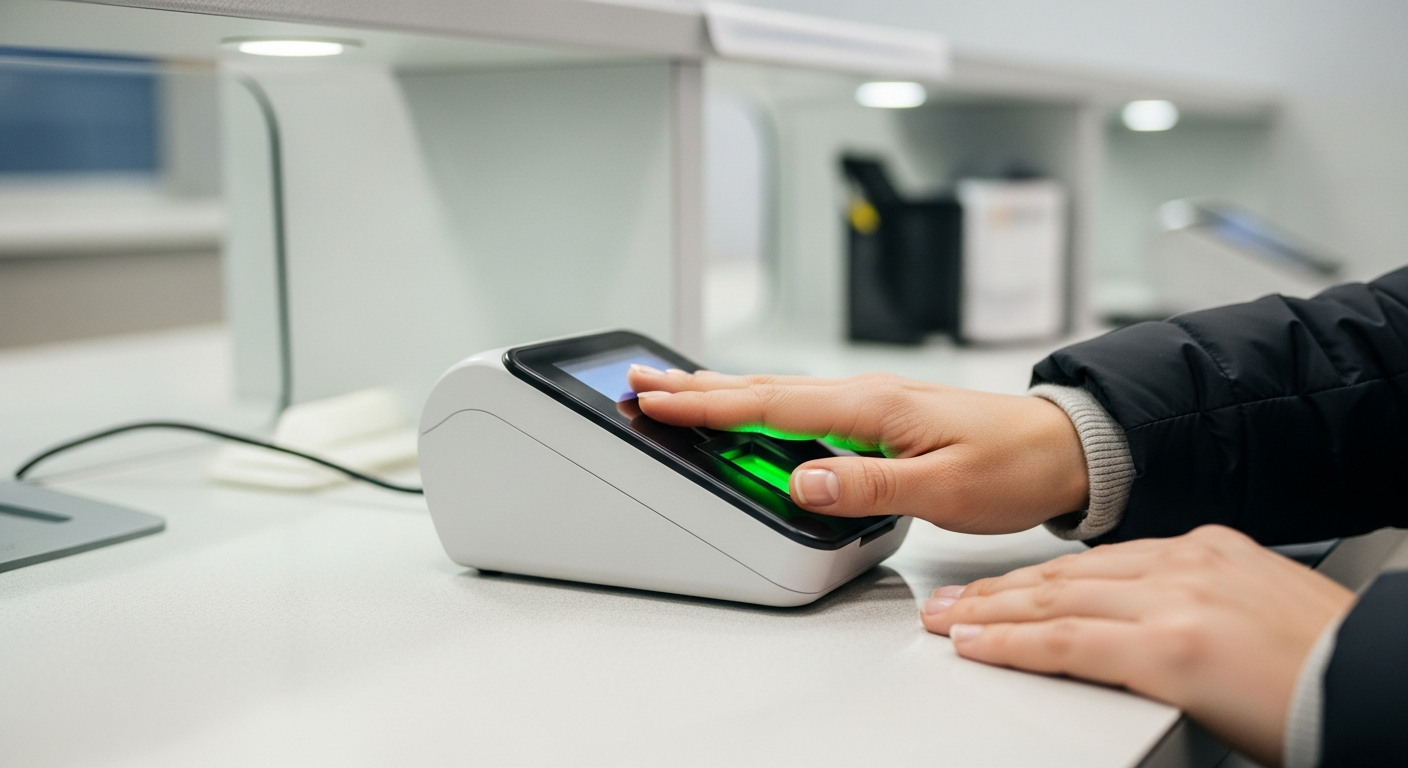
When you file certain immigration applications — such as for a green card, work permit, travel document, or naturalization — USCIS will often schedule you for a biometrics appointment at an Application Support Center, commonly called an ASC. This is a separate USCIS facility that exists only to collect biometric information. It is not the same as an interview.
So what does "biometrics" actually mean? In the USCIS context, it refers to three things:
- Fingerprints — taken digitally using an electronic scanner, not ink
- Photograph — a digital portrait taken at the ASC
- Signature — collected on a digital pad
USCIS shares these records with the Federal Bureau of Investigation (FBI) to run a criminal background check. The Department of Homeland Security also uses your biometrics to verify your identity against its own records and to check immigration history. In short, the biometrics step helps USCIS confirm that you are who you say you are, and that nothing in your background record would affect the outcome of your application.
Not every application triggers a biometrics appointment. Children under a certain age, applicants over a certain age, and some specific form types may be exempt. Your appointment notice — or the absence of one — will tell you whether this step applies to you. Always follow the instructions on your specific notice rather than relying on general rules, because USCIS updates its policies periodically.
How You Will Be Notified and What Your Notice Contains
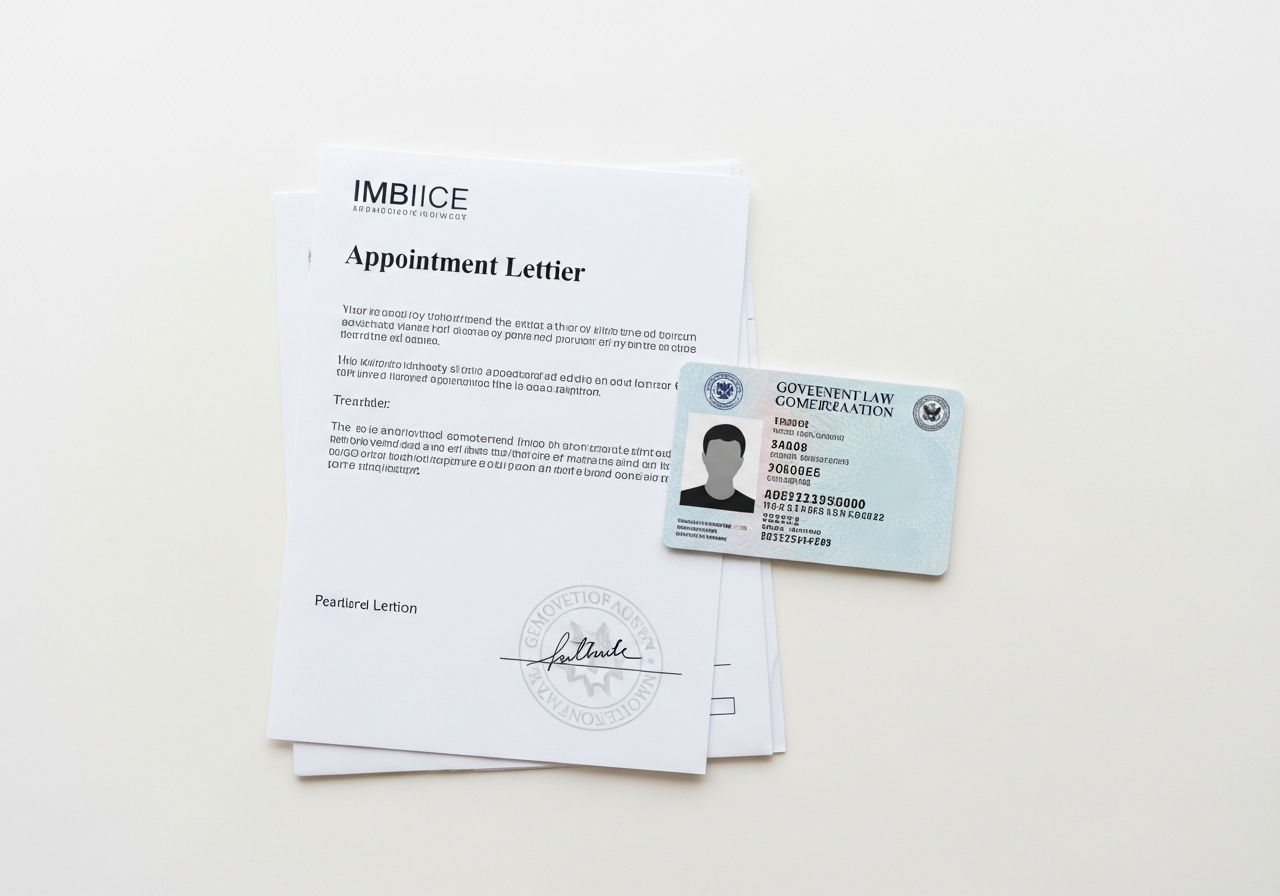
After USCIS receives and processes your application, it will mail you an appointment notice — sometimes called a biometrics notice or an ASC appointment notice. This document is important. Here is what you will find on it:
- The date, time, and location of your appointment
- The ASC address you must visit
- Instructions on what to bring
- A section reminding you that the appointment is required and that missing it without rescheduling may result in your application being considered abandoned
How long does it take to receive the notice? Processing timelines vary and change frequently. Rather than citing a specific number of weeks, check the USCIS website for current processing times for your form type. You can also monitor your case status online using the receipt number printed on your Form I-797 notice of action.
If you move after filing, it is critical to update your address with USCIS promptly using Form AR-11 (for most applicants) so your notice reaches you. An appointment notice sent to an old address is still considered delivered, and a missed appointment is your responsibility regardless of whether you received the physical notice.
If a significant amount of time has passed since you filed and you have not received an appointment notice, log in to your USCIS online account or call the USCIS Contact Center. Do not simply wait indefinitely — delays can occasionally happen due to high volume or mail issues.
What to Bring to Your ASC Appointment
Arriving prepared will make the visit smooth and fast. Here is what you must bring:
Required documents:
- Your appointment notice — the paper USCIS mailed you. Staff will scan the barcode on it to pull up your case.
- A valid government-issued photo ID — acceptable forms include a passport (from any country), a state driver's license, a state ID card, a U.S. military ID, or a Permanent Resident Card if you have one. Your ID must be current, not expired.
If you are accompanying a child: If you are the parent or guardian of a minor who has been scheduled, bring the child's appointment notice and your own ID. Children who are too young to provide fingerprints may still need to appear for a photograph.
Do NOT bring:
- Original documents beyond what is listed above (the ASC does not review your application file)
- Food or drinks (most ASC waiting areas do not allow them)
- Large bags when possible — security screening is standard practice at ASC locations
A note on attorneys: If you have legal representation, your attorney does not need to accompany you to a biometrics appointment. This is an administrative data-collection step, not a legal proceeding. However, if you have any concerns or questions beforehand, speaking with your attorney in advance is always wise.
What Happens When You Arrive: Step by Step
The process at the ASC is straightforward and typically takes less than an hour, though wait times can vary based on how busy the center is that day. Here is what to expect:
1. Check in at the front desk. Present your appointment notice and photo ID to the staff member at the entrance or front desk. They will scan your notice and verify your identity in the system.
2. Security screening. Like a courthouse or federal office building, the ASC uses standard security measures. You may walk through a metal detector or have your bag scanned. Arrive a few minutes early to allow time for this.
3. Wait to be called. You will sit in a waiting area until your name or number is called. The wait is usually short, but it can be longer on busy days.
4. Biometric data collection. A USCIS staff member will guide you through the process:
- Each of your ten fingers is scanned on an electronic reader. If you have injuries or conditions affecting your fingers, let the staff member know — they are trained to handle these situations.
- A digital photograph is taken.
- You will provide a digital signature.
The actual collection process takes only a few minutes.
5. You are done. Once your biometrics are captured and confirmed in the system, you are free to leave. You will not receive any documents or results at the appointment. The data goes directly to the FBI and USCIS for processing as part of your case.
For Illinois residents: The Chicago Application Support Center serves applicants in the Chicago metro area and is one of the busiest ASC locations in the Midwest. If you are filing from Cook County, the collar counties, or surrounding Illinois communities, you may be assigned to this location. Check your appointment notice carefully for the exact address, as USCIS occasionally uses different facility addresses over time. You can find general information about ASC locations on the USCIS website at uscis.gov.
Rescheduling, Missing, or Being Unable to Attend
Life happens — illness, work emergencies, and scheduling conflicts are real. The good news is that USCIS allows you to reschedule a biometrics appointment, but you need to act promptly and follow the correct process.
How to reschedule:
- Call the USCIS Contact Center before your scheduled appointment date if at all possible. The number is available on the USCIS website at uscis.gov/contactcenter.
- You may also submit a written request, but calling is generally faster.
- Explain the reason for rescheduling. You will be given a new date, though USCIS controls the timeline and you cannot choose a specific date.
What if you miss the appointment without rescheduling?
Missing a biometrics appointment without contacting USCIS first can have serious consequences. Depending on your application type, USCIS may:
- Send you a notice to appear for a rescheduled appointment
- Treat the non-response as abandonment of your application and deny it
- Request an explanation before proceeding
If you missed your appointment due to an emergency, contact USCIS as soon as possible and be prepared to explain what happened.
What if you have a disability or medical condition?
USCIS has accommodations for applicants who need them. If you have a condition that affects your fingerprints (such as certain skin conditions), need a wheelchair-accessible facility, or require other accommodations, contact USCIS in advance. Staff at the ASC are also trained to handle situations where fingerprints cannot be captured clearly.
Can someone go in your place?
No. Biometrics must be collected from you personally. A family member, friend, or attorney cannot attend in your place. This is a firm requirement — the entire purpose of the appointment is to verify your individual identity.

How Biometrics Fits Into the Bigger Picture of Your Case
Understanding where the biometrics appointment falls in your overall case timeline can help reduce anxiety about the process.
The general sequence for many applications looks like this:
- You file your application and pay the filing fee
- USCIS sends a receipt notice (Form I-797) confirming it was received
- You receive and attend your biometrics appointment
- USCIS completes background checks using your biometric data
- If required, USCIS schedules an interview or requests additional evidence
- USCIS makes a decision on your application
The biometrics step is one of the earlier pieces of this process, and your case generally will not move forward to an interview or decision until USCIS has received your background check results. This is one reason why scheduling and attending your biometrics appointment promptly matters — delays at this stage ripple forward and can push back every subsequent step.
Does attending biometrics mean my case is progressing well?
Receiving a biometrics appointment notice is a normal and expected step — it does not by itself indicate anything positive or negative about your case outcome. It simply means your application has been received and USCIS is beginning its review process.
Can USCIS require biometrics more than once?
Yes, in some situations. If your background check results expire before USCIS has made a decision — which can happen when cases are pending for a long time — USCIS may schedule you for a second biometrics appointment. This is sometimes called a "biometrics reuse" or a second ASC appointment. It does not mean anything is wrong with your case; it is an administrative requirement to ensure the background check remains current.
Checking your case status:
After your appointment, you can continue monitoring your case online using your receipt number at uscis.gov/casestatus. If you have an attorney, they can also monitor your case and will typically notify you of any updates, requests for evidence, or interview notices.
Staying informed and responsive throughout the process — updating your address, checking your mail, monitoring your case status — gives your application the best chance of moving forward without unnecessary delays. If you have questions about where your case stands or what to expect next, consulting with an immigration attorney is always a sound step.
Frequently Asked Questions
The editorial team researches and writes plain-language immigration information, drawing on official government sources and reviewing each page for clarity and accuracy.
Sources & Citations
- [1]Official Government Source: USCIS Biometrics Collection — Official Overview
- [2]Official Government Source: USCIS Application Support Centers (ASC) Information
- [3]Official Government Source: USCIS Contact Center
- [4]Official Government Source: USCIS Case Status Online
- [5]Official Government Source: Form AR-11 — Alien's Change of Address
More immigration insights
Insights


Need help with your immigration case?
Our experienced Chicago immigration attorneys offer flat-fee consultations to review your case and outline clear next steps.
Request a Consultation